The ALS Cure Claim That Could Change Neurology
Forever Recent headlines have captured global attention with a claim few would have thought possible just years ago: a reported reversal of amyotrophic lateral sclerosis (ALS). ALS remains one of the most devastating diagnoses in neurology. It is relentlessly progressive, uniformly fatal, and despite decades of research, current FDA-approved treatments offer only modest slowing of decline. There is no meaningful therapy that restores lost function. For patients and families, ALS is still defined by inevitability, not hope. That is precisely why these headlines demand our attention.
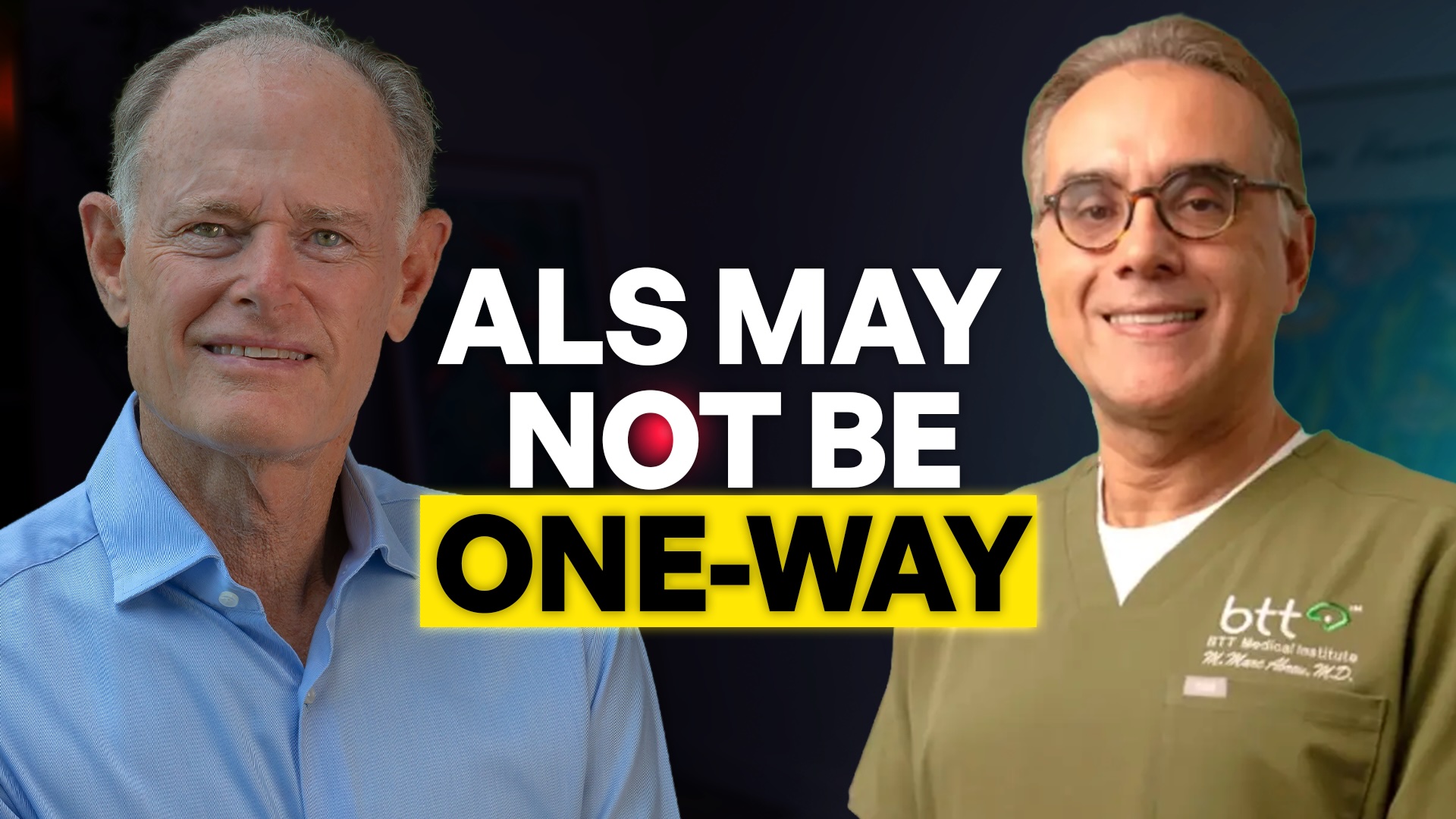
At the center of this report is Dr. M. Marc Abreu, founder and chief medical officer of the BTT Medical Institute. Dr. Abreu trained in medicine with deep expertise in biomedical engineering and medical physics, his work bridges neurology, thermodynamics, and computational biology. While at Yale, he identified what is known as the brain thermoregulatory tunnel, enabling noninvasive monitoring of brain temperature, an insight that laid the foundation for his current research. His recently published case report describes a patient with documented, progressive ALS who experienced a complete clinical and electrophysiological reversal following a novel, AI-guided, brain-directed thermofebrile intervention Yes, I get that this is a single case, not a clinical trial, but the implications are profound enough that we cannot afford to look away.
The biological rationale behind this approach is grounded in a well-described cellular stress response: heat shock proteins. When cells are exposed to controlled heat stress, they produce heat shock proteins. These proteins stabilize misfolded proteins and improve mitochondrial efficiency. In neurodegenerative diseases like ALS, where protein aggregation and mitochondrial failure are central features, this response is potentially profoundly therapeutic.
Improved mitochondrial function changes the metabolic environment of the brain. And metabolism, as we now understand, is a powerful regulator of immune behavior within the central nervous system. In ALS, microglia exist in a state of metabolic failure and chronic stressed and adopt a pro-inflammatory, neurotoxic configuration often referred to as M1. When energy production is restored and inflammatory signaling is reduced, microglia can shift back toward their reparative, synapse-supporting and brain defending M2 configuration. Heat shock protein induction, by improving mitochondrial performance may help create precisely the conditions required for this transformation.
This concept, that restoring cellular energy and immune balance can change the trajectory of neurodegeneration, is the central theme of my book, Brain Defenders. While no single case proves a cure, this work reinforces a critical idea: neurodegenerative diseases are not simply chemical problems waiting for a better drug. They are metabolic and immunological failures that may be addressed by re-engaging the brain’s intrinsic repair systems. For ALS, a disease long defined by therapeutic failure, even one carefully documented reversal is enough to demand our dedicated attention.
===
M. Marc Abreu, MD, is currently Medical Director at the BTT Medical Institute. He completed medical training and research at Indiana University, the University of Pittsburgh, Harvard University, and Yale University, where he also served as a faculty member. He previously held faculty appointments at both Yale University and Harvard Medical School. Trained in both medicine and physics, Dr. Abreu is internationally recognized for his biological discovery, announced by Yale University, of the Brain Thermal Tunnel (BTT), a thermophysical pathway connecting the eyelids to the hypothalamus. His research interests include: 1) brain thermodynamics and thermoregulatory mechanisms; 2) fever, hyperthermia and heat shock proteins in cancer and neurodegeneration; 3) noninvasive brain temperature monitoring and cerebral thermal kinetics; and 4) computerized translational therapeutic strategies for protein misfolding disorders.
Patient bio: Kent is a 57-year-old, married father of four. He was a lifelong skier, surfer and swimmer. Although Kent experienced months of respiratory issues and speech decline, he still golfed 18 holes, attended football games and hosted an 85th birthday party for his mom – all in October 2025. Despite this, Kent was nearly paralyzed and struggling to breathe by the end of November 2025. Diagnosed with rapid onset bulbar ALS, Kent began receiving treatment from Dr. Marc Abreu on December 2, 2025. He reports feeling nearly fine now.
===
Thank you to our sponsors:
EVY – Go to https://www.optoceutics.com/perlmutter to get 10% off & free shipping (90 days risk-free).
Memory Air – Go to www.memoryair.com and use code PERLMUTTER for 15% off, free shipping and a 60-day money back guarantee.