Focus Topic
Parkinson’s Disease
The path to neurodegeneration starts long before tremors emerge. Environment, metabolism, and lifestyle factors can all have a significant impact.
At a Glance
- Onset begins: 20-30 yrs before symptoms
- Modifiable risk: It’s not just about genetics. Lifestyle changes can improve neurodegeneration.
- Core focus: Mitochondrial & gut health
- Key nutrients: CoQ10, Antioxidants
On This Page
- Understanding the cascade
- The upstream view of prevention
- Clinically practical measures
- Resource Library

The incidence of Parkinson’s disease is surging. This lets us know that while there may be genetic issues involved, environmental issues are front and center. We can live a life that will reduce our risk for Parkinson’s, and for those affected by the disease, there’s so much more to do to complement the medications that clearly help manage symptomps.
Neurotoxic exposures can initiate or accelerate the protein misfolding and cell-death processes central to Parkinsonian degeneration. Alongside toxins, metabolic dysfunction and inflammation sensitize the brain, lowering the threshold at which environmental insults translate into clinical disease.
Neurotoxic exposures can initiate or accelerate the protein misfolding and cell-death processes central to Parkinsonian degeneration.
Dr. David Perlmutter
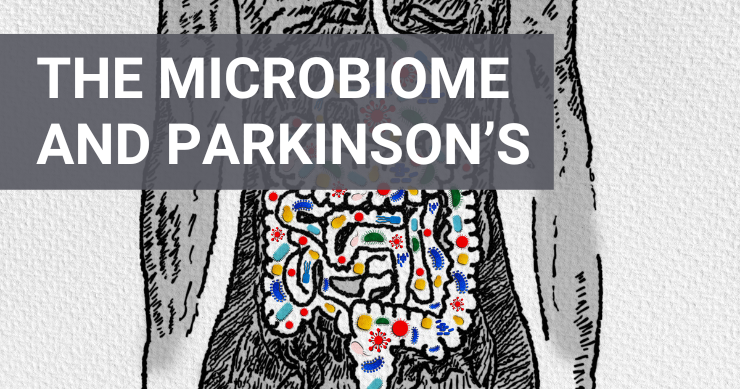
Prevention and risk reduction focus on limiting avoidable exposures while concurrently strengthening metabolic and mitochondrial resilience. Nutritional patterns that reduce oxidative stress, strategies to support gut integrity (given growing research about a gut-brain axis in Parkinson’s), and lifestyle measures that promote mitochondrial health — regular exercise, sleep, and targeted nutrients — are my core recommendations.
Also, you cannot overstate the importance of early intervention: even when a diagnosis is present, addressing metabolic and inflammatory drivers can improve symptoms, slow functional decline, and amplify quality of life when combined with standard neurologic care.
Key Takeaways
What the science consistently shows
- The rising incidence of Parkinson’s points to environmental and lifestyle factors as major drivers, not just genetics.
- Neurotoxic exposures, metabolic dysfunction, and inflammation all lower the brain’s threshold for Parkinsonian degeneration.
- Reducing risk centers on limiting toxic exposures while building mitochondrial resilience through diet, exercise, sleep, and targeted nutrients.
- Early intervention addressing metabolic and inflammatory drivers can meaningfully slow decline and improve quality of life, even after diagnosis.
Resource LIBRARY
Free Resources about Parkinson’s Disease

Paraquat and Parkinson’s. Be Aware!
10 Fascinating Facts About Parkinson’s Disease You Probably Didn’t Know