One point often made on The Empowering Neurologist Podcast is that meaningful, disease-modifying treatments for brain degenerative disorders remain frustratingly elusive. That reality forces us to ask a deeper question: What if the most powerful tools for protecting the brain aren’t pharmaceuticals at all, but biological signals we activate every day through lifestyle, and especially nutrition?
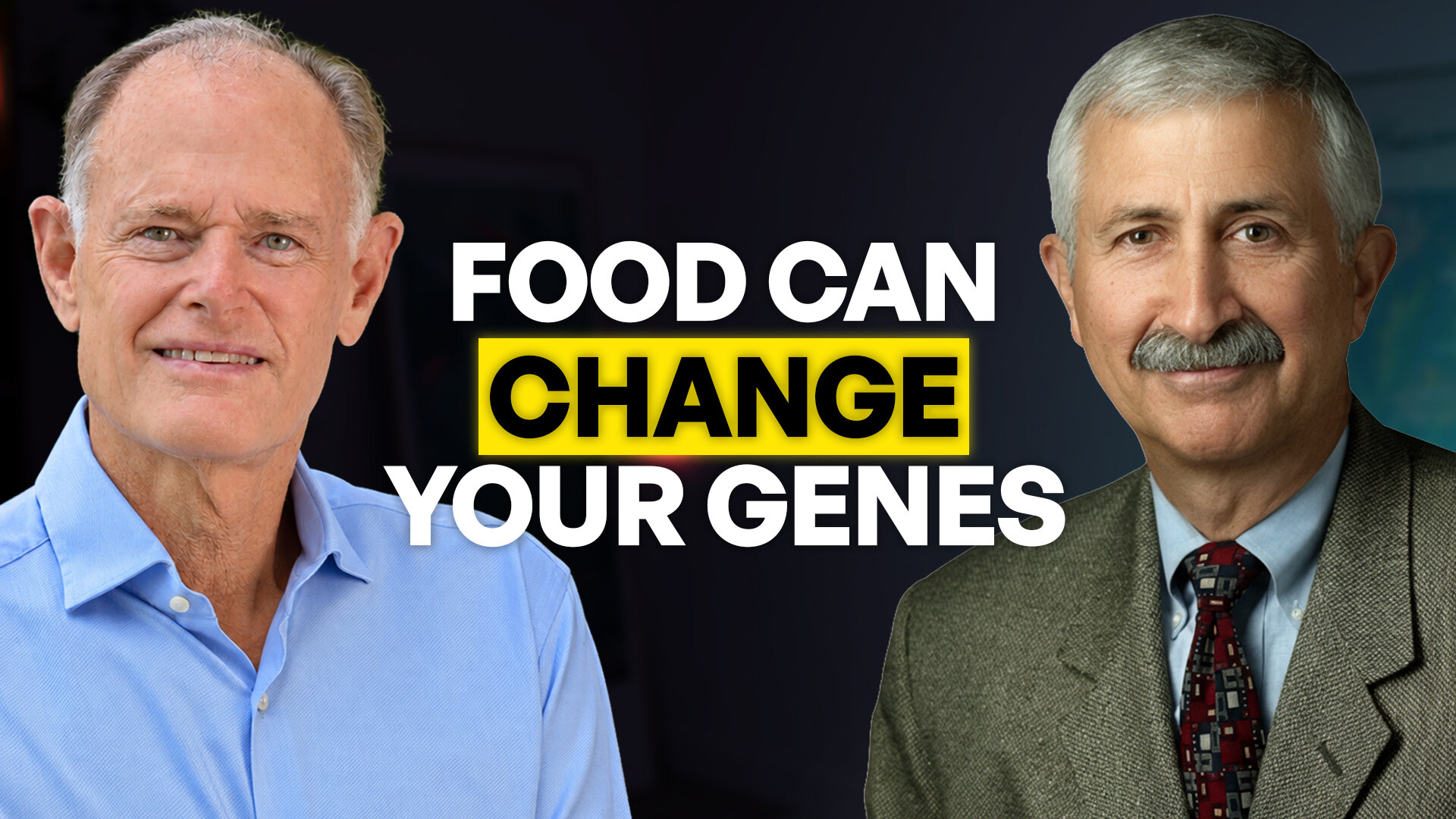
That’s exactly why my latest episode of The Empowering Neurologist Podcast is one you won’t want to miss. I’m joined by Jed Fahey, a pioneering nutritional biochemist whose research has fundamentally shaped our understanding of how specific plant-derived compounds influence human health at the molecular level. Dr. Fahey is best known for his groundbreaking work on sulforaphane, a bioactive compound found in cruciferous vegetables, most notably broccoli sprouts, that has emerged as one of the most powerful dietary activators of the body’s internal defense systems.
This conversation matters because sulforaphane isn’t just another “superfood” headline. It’s a well-studied molecular signal that activates NRF2, a master regulator of genes involved in antioxidant production, detoxification, inflammation control, mitochondrial function, and cellular resilience. These pathways are not abstract concepts — they are directly tied to how well our brains age, how microglia behave, and how vulnerable we are to chronic neuroinflammation and metabolic dysfunction.
In this episode, Dr. Fahey explains why sulforaphane is so biologically potent, how it works inside cells, and what decades of rigorous research actually show, separating real science from marketing hype. We explore how modern environmental exposures, oxidative stress, and metabolic imbalance overwhelm our natural defense systems, and why activating these pathways through targeted nutrition may be one of the most important strategies we have for long-term brain protection.
===
Dr. Jed W. Fahey is a nutritional biochemist who spent 15 years in the agricultural biotechnology industry and then 27 years as a faculty member at the Johns Hopkins School of Medicine. Until “retiring” in mid-2020, he ran the Cullman Chemoprotection Center at Johns Hopkins, which for many years developed plant-based agents for the purpose of enhancing healthspan. His research has focused primarily on glucosinolates and isothiocyanates that are found in the nutritious tropical drumstick tree, Moringa oleifera, and in cruciferous vegetables such as broccoli. Dr. Fahey’s group has developed, characterized, and supplied preparations rich in specific phytochemicals for a large number of animal and clinical studies in which they have played an integral collaborative role. The chemoprotective broccoli sprouts that he discovered were the first product of Brassica Protection Products, which he co-founded in 1997. Dr. Fahey maintains adjunct faculty appointments at Johns Hopkins University School of Medicine, and the University of Maine Institute of Medicine. His ongoing outreach work seeks to translate the science that his group and others have done to prevent chronic diseases, to a lay public audience. His complete list of publications is available at https://www.jedfahey.com/, along with highlights of other recent projects of Dr. Fahey’s and links to some of the foundations and other groups to which he belongs.
===
Additional resources:
Free guide from Dr. Perlmutter that explains why Sulforaphane is one of the most powerful tools for protecting your brain, and how to get more of it from your food: Link Here
At-home sprouting kit recommended by Dr. Perlmutter and Dr. Fahey, using this link will give you a discount: Link Here
===
Thank you to our sponsors:
Memory Air – Go to www.memoryair.com and use code PERLMUTTER for 15% off, free shipping and a 60-day money back guarantee.
3X4 Genetics – Go to 3X4genetics.com/DrPerlmutter for a special offer when you sign up to decode your genetics and get personalized, science-backed health recommendations.