Why do some people with high genetic risk for Alzheimer’s or Parkinson’s disease remain cognitively intact, while others decline rapidly? Increasingly, the answer lies not in genes alone, but in epigenetics, the mechanisms that determine how genes are turned on or off in response to environment, immune signals, and cellular stress.
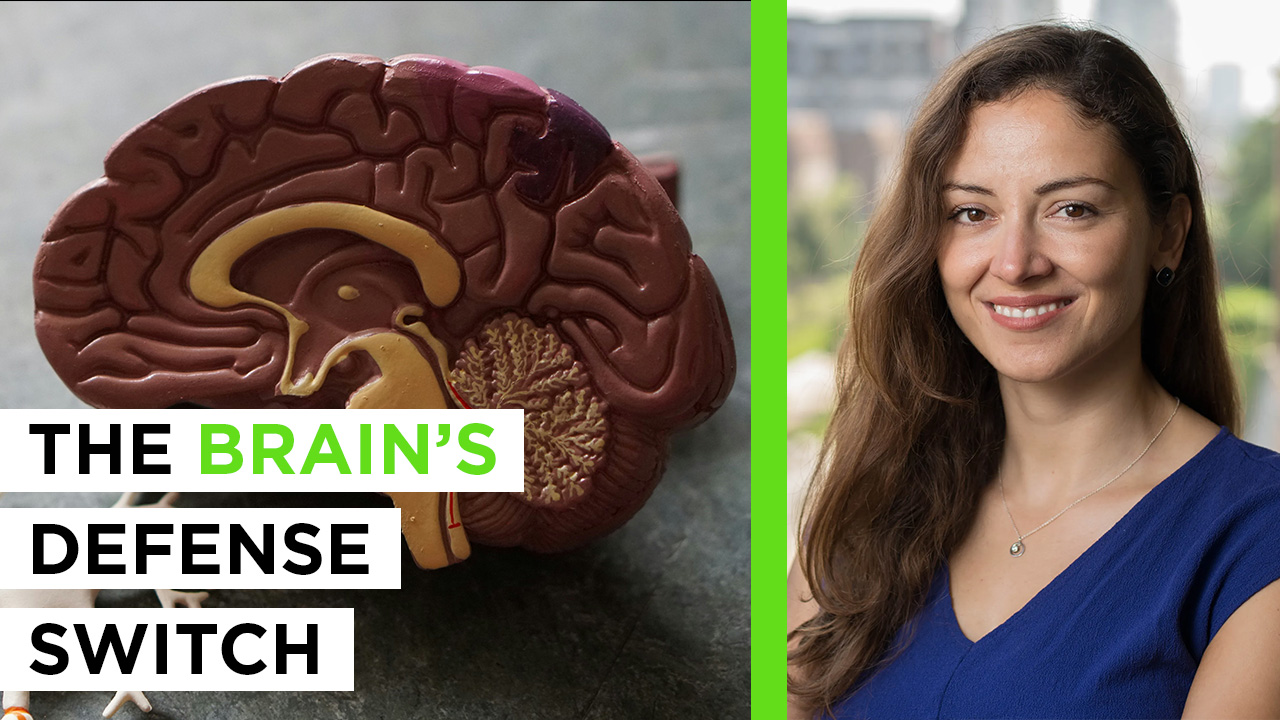
On this episode of The Empowering Neurologist, I’m joined by Dr. Sarah Marzi, a neuroscientist at King’s College London and a principal investigator at the UK Dementia Research Institute, whose work is transforming how we understand neurodegenerative disease risk. Dr. Marzi’s research focuses on gene regulation in the human brain, particularly within microglia, the immune cells that orchestrate inflammation, synaptic pruning, and repair. Her studies show that genetic risk for diseases like Alzheimer’s is concentrated not in protein-coding genes, but in regulatory regions of the genome, epigenetic switches that control immune behavior in the brain.
In Alzheimer’s disease, her lab has demonstrated how different APOE genotypes fundamentally reprogram microglial states, altering inflammation, phagocytosis, migration, and immune signaling. Using human microglia transplanted into mouse models, her work reveals why APOE4 drives a more inflammatory, less protective microglial response, while APOE2 supports resilience and repair.
Equally important is her work in Parkinson’s disease. Dr. Marzi has shown that environmental toxins such as certain pesticides don’t just damage mitochondria, they rewire gene regulation in a region-specific and immune-specific manner, particularly activating inflammatory and complement pathways in the substantia nigra. This provides a mechanistic bridge between environmental exposure and selective neuronal vulnerability.
What ties all of this together is a powerful insight: microglial behavior is programmable. It responds to metabolic health, immune signaling, environmental stressors, and epigenetic marks. This aligns directly with the core message of Brain Defenders, that brain health is shaped upstream, long before symptoms appear.
This conversation with Dr. Marzi is not just about disease. It’s about agency. Understanding epigenetics helps explain how lifestyle, environment, and immune balance can influence brain destiny. It’s science that empowers prevention, resilience, and hope.
====
Dr. Sarah Marzi is a Senior Lecturer in Neuroscience at King’s College London and a Group Leader at the UK Dementia Research Institute. Her work focuses on how our genes and environment change cellular processes in the brain and can predispose us to neurodegenerative diseases such as Alzheimer’s, Parkinson’s and motor neuron disease.
An expert in epigenetics – the chemical switches that turn genes on and off – Dr. Marzi uses cutting-edge genomic techniques on human brain tissue as well as cell and animal models. Her team combines these experiments with advanced statistics, bioinformatics and AI to map the earliest molecular changes that make brain cells vulnerable to disease, particularly in immune cells of the brain called microglia. This work aims to reveal how both genetic variants and environmental exposures, including pesticides, contribute to disease risk and to uncover new avenues for therapy.
Dr. Marzi originally trained in both mathematics and psychology at the University of Freiburg, before completing her PhD in epigenetics at King’s College London. She established her own research programme in neuroepigenomics at Imperial College London, before returning to King’s College London in 2023.
Her research has helped show that genetic risk for brain disorders is concentrated in specific regulatory regions of the genome and that there is widespread disruption of key epigenetic marks in Alzheimer’s disease, reshaping how scientists think about “noncoding” DNA in brain health and disease.
====
Thank you to our sponsors:
EVY – and the code perlmutter26 will be auto-applied to your order to get $200 off & free shipping (90 days risk-free).
Fresh Pressed Olive Oil – For a complimentary bottle of one of the greatest olive oils I’ve ever discovered.
3×4 Genetics – for a special offer when you sign up to decode your genetics and get personalized, science-backed health recommendations.