





Can the Mediterranean Diet Help Prevent Stroke in Women?
A recent meta-analysis published in Neurology offers encouraging news: women who closely follow a Mediterranean-style diet appear to have about a 12 percent lower risk of stroke.
That finding is important. Stroke remains one of the greatest threats to women’s health. It is the third leading cause of death in women, and about one in five women will experience a stroke in her lifetime. Each year, more women than men suffer strokes and die from them. So even a modest reduction in risk has real-world impact.
What makes this research especially meaningful is that diet is a modifiable factor. We cannot change our genetics or our age, but we can change what we eat every day. The Mediterranean diet improves many of the biological drivers of stroke risk. It helps lower blood pressure, reduce inflammation, improve cholesterol profiles, and support healthier blood vessels. Since stroke is fundamentally a vascular event, these changes directly influence the likelihood of a stroke occurring.
For women, who may face additional risk from hormonal changes, pregnancy history, or autoimmune conditions, supporting vascular health through diet becomes even more powerful.
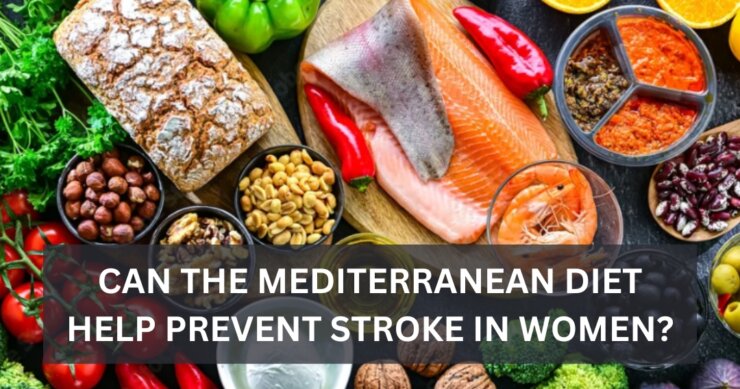
My overall reaction to this study is that it reinforces something we’ve known for years: dietary pattern matters far more than any single nutrient. A diet rich in vegetables, fruits, whole grains, legumes, nuts, olive oil, and fish supports vascular resilience. These foods help stabilize blood sugar, improve the function of blood vessels, and reduce inflammation — key factors in stroke prevention.
It’s also important to recognize limitations. This was observational research, meaning it shows associations rather than direct proof of cause and effect. People who follow Mediterranean diets often have healthier overall lifestyles, which may contribute to their lower risk. And diet is only one piece of the puzzle. Sleep, physical activity, stress management, and attention to lab markers like blood sugar, triglycerides, and blood pressure all play major roles in stroke prevention.
The Mediterranean diet is not a magic solution, but it is a powerful foundation.
The encouraging message from this research is simple: everyday food choices can meaningfully influence stroke risk. Practical steps include eating more vegetables and fruits, using olive oil instead of processed fats, choosing fish more often than processed meats, replacing refined carbohydrates with whole foods, and including nuts and legumes regularly. These are small, repeatable habits that add up over time.
Stroke prevention is not just about medications or emergency care. It is about daily decisions that shape your blood vessels, your metabolism, and ultimately your brain health. This study reminds us of an empowering truth: what you choose to eat today can help protect your brain tomorrow.

Connect with David


