




Reflections and Hope From Antarctica
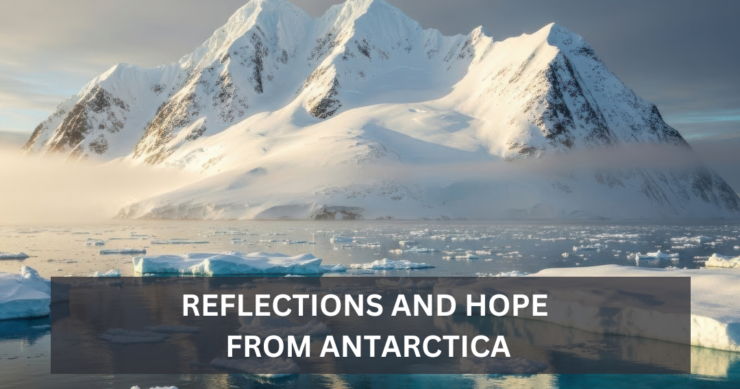
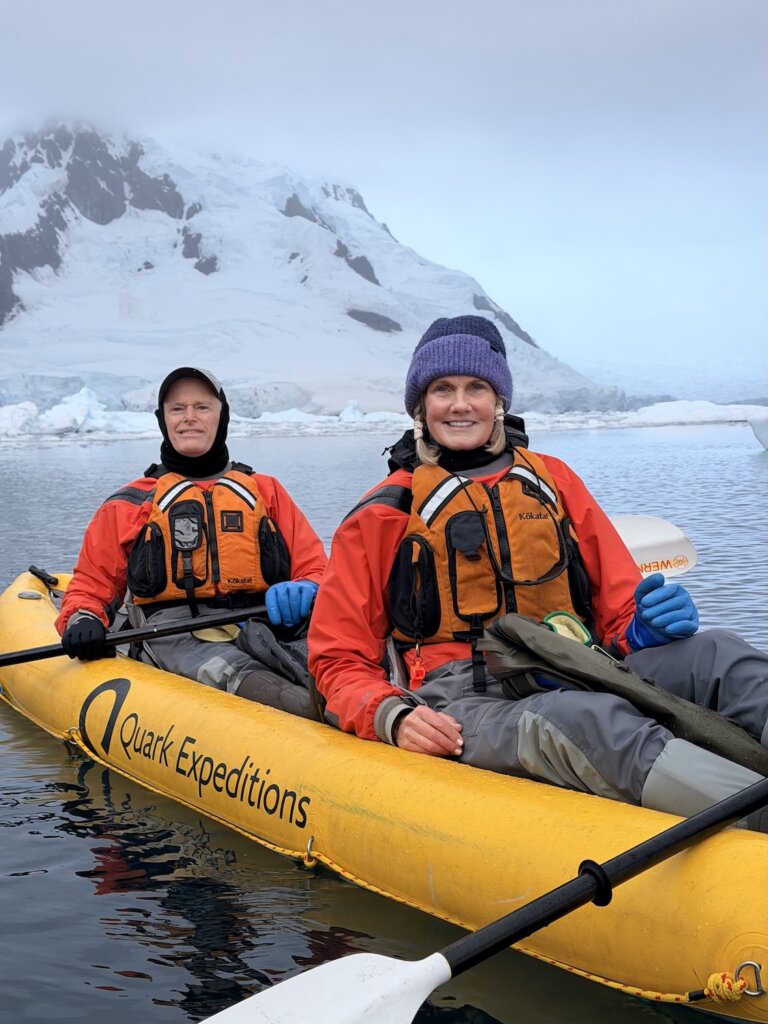
As many of you know, my wife and I recently had the incredible opportunity to visit Antarctica. It is difficult to adequately describe the experience of arriving in a place so vast, so pristine, and so profoundly removed from the rhythms of everyday life. There is an immediate and humbling sense that you are entering one of the last truly wild frontiers on Earth. The scale alone is breathtaking with endless expanses of ice, towering glaciers, and an unfamiliar silence that feels almost sacred.
Yet within this stark landscape, there is a remarkable abundance of life. We photographed seals resting effortlessly on ice floes, countless colonies of penguins moving with surprising purpose and personality, and so many whales, majestic and powerful, surfacing in the frigid waters as they engaged in “bubble feeding.” These moments were not just visually stunning, but deeply moving. Each day we were reminded that life, even in the most extreme environments, finds a way not only to persist, but to flourish.
Encouragingly, we are now seeing signs of recovery in some of these populations. Whale numbers, once devastated by industrial whaling, are rebounding in certain regions. Seal populations as well are showing resilience. These are powerful reminders that when humanity makes the decision to step back, to protect, and to allow natural systems to recover, nature has an extraordinary capacity for renewal.
And yet, alongside this optimism, there are unmistakable signs of change. The impact of climate change is clearly visible. Glacial retreat, shifting ice patterns, and subtle but meaningful changes in the ecosystem are evident even to the casual observer. Standing in such a remote and seemingly untouched place, one might hope to feel insulated from the challenges facing the rest of the world. But Antarctica tells a different story, it reflects, in real time, the global consequences of human activity.
What struck me perhaps most profoundly, however, was not only the natural beauty, but the spirit of cooperation that defines human presence on this continent. Antarctica is governed by an extraordinary international agreement, the Antarctic Treaty, first formalized in 1959, which set aside this vast landmass for peaceful purposes and scientific exploration. Nations from around the world, often divided by politics and ideology elsewhere, come together here to collaborate in research, share knowledge, and work toward a common understanding of our planet. What an incredible proof of concept template!
In a time marked by geopolitical tension and division at the highest level, this model of cooperation is both inspiring and instructive. It raises an important question:
If we can come together in a place as remote and logistically challenging as Antarctica, setting aside differences for the sake of science, stewardship and yes, even our survival, why can’t we do the same for the planet as a whole?
Being in Antarctica offers a kind of perspective that is increasingly rare. It reminds us of both the fragility and resilience of life. It highlights the consequences of our actions, but also our capacity to change course. And perhaps most importantly, it demonstrates what is possible when humanity chooses collaboration over conflict.
As we left that extraordinary place, I found myself not only in awe of its beauty, but somewhat hopeful. Hopeful that the lessons Antarctica offers, about protection, cooperation, and respect for the natural world, might extend far beyond its icy shores. Because ultimately, we do not just share Antarctica, we share a planet. And the future of our shared home depends on our willingness to care for it together.

Connect with David


